
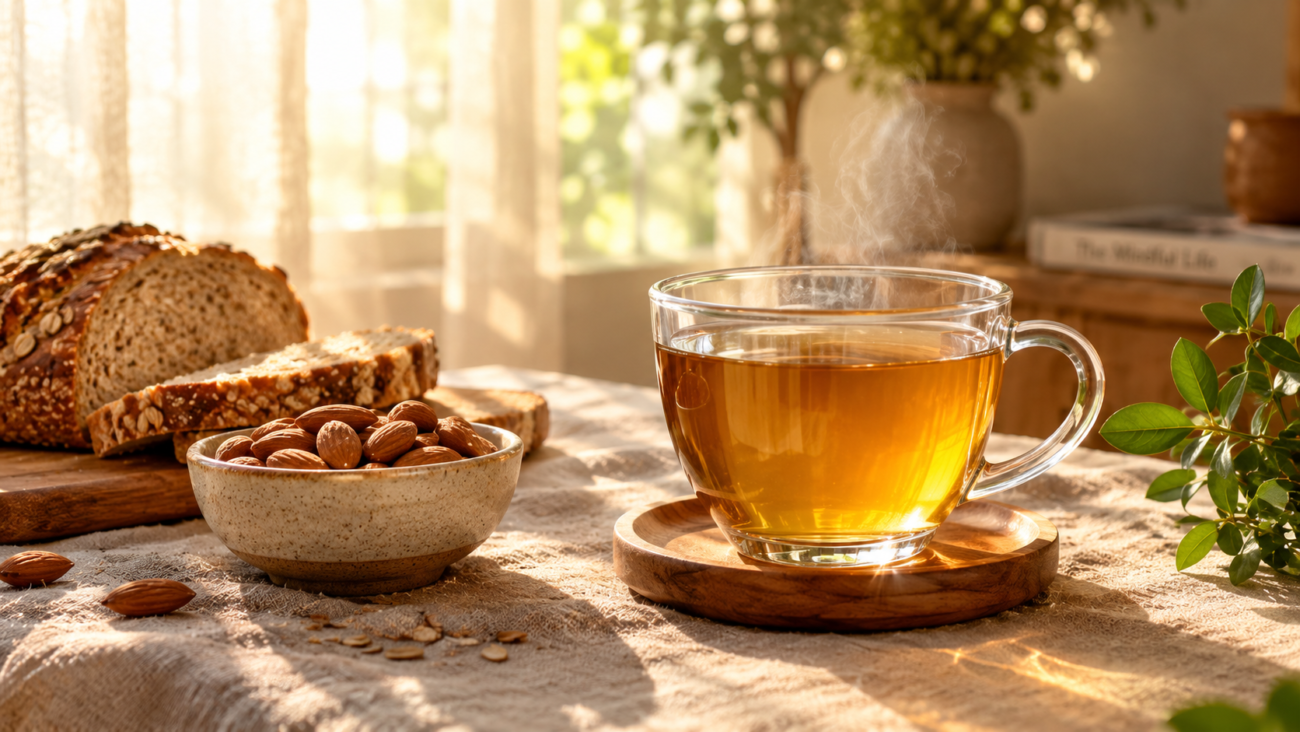
The Direct Answer: Is Drinking Tea on an Empty Stomach Bad for You?
Drinking tea on an empty stomach disrupts gastrointestinal health because concentrated tannins and caffeine stimulate intense gastric acid secretion without any food present to buffer it. This direct exposure erodes the protective mucosal lining of your stomach, sparks sudden nausea, spikes morning cortisol levels, and inhibits critical micronutrient absorption.
Understanding the precise biochemical interaction between tea polyphenols and an unfed gut reveals why simply adjusting your morning routine can instantly resolve chronic digestive discomfort.
30-Second Quick Take
- Acid Hypersecretion: Bitter tannins provoke your stomach’s parietal cells to pump out hydrochloric acid (HCl), causing heartburn, nausea, and mucosal irritation when no food is present.
- Hormonal Chaos: Morning caffeine compounds the natural Cortisol Awakening Response (CAR), elevating stress hormones, disrupting gut motility, and destabilizing blood sugar.
- The Golden Routine: Drink 16 oz of plain warm water upon waking, eat a fiber- or protein-rich snack, and wait 30 to 45 minutes before sipping your morning brew.
What Happens Inside Your Gut When You Drink Morning Tea?
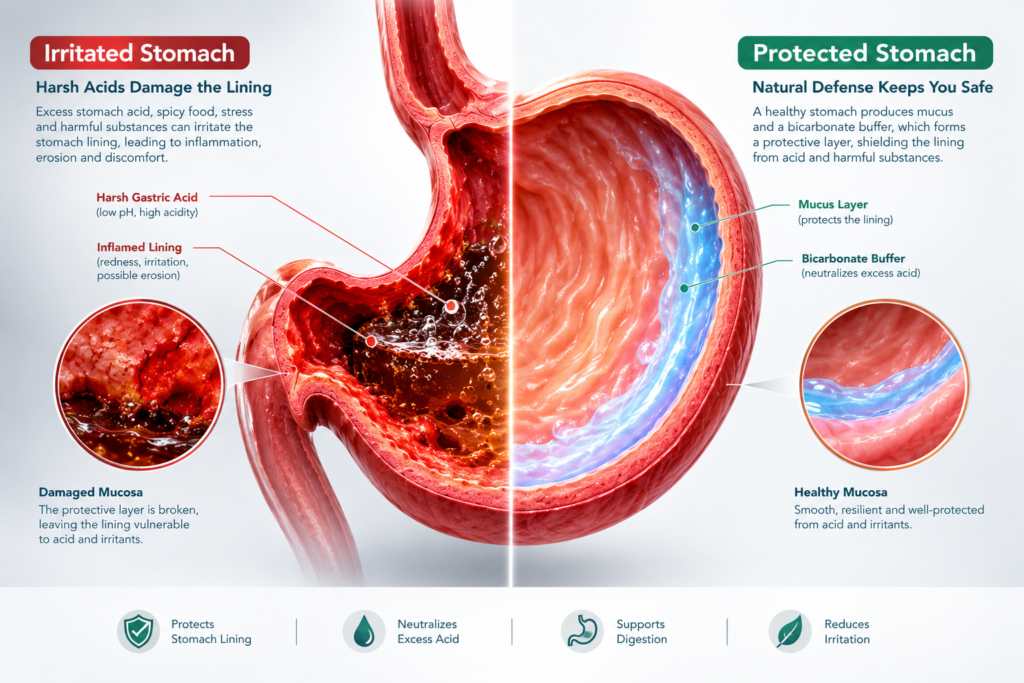
When you wake up, your stomach is in a fasted, resting state containing a baseline pool of gastric fluid.
Introducing black, green, or oolong tea introduces high concentrations of tannins—water-soluble polyphenolic compounds known for their astringency. In nature, tannins act as plant defense mechanisms; inside an empty stomach, they behave like potent chemical stimulants.
Fasted Stomach (Minimal Buffer)
             │
             ▼
Ingestion of Black/Green Tea (Tannins + Methylxanthines)
             │
             ├─► Parietal Cells Triggered ──► Excessive Free Hydrochloric Acid (HCl)
             ├─► Mucosal Layer Irritation ──► Vagal Nerve Activation (Nausea)
             └─► Adrenal Glands Stimulated ─► Cortisol & Adrenaline Surge
             │
             ▼
Result: Burning, Reflux, Cramping & Impaired Motility
Tannins bind to and precipitate salivary and gastric proteins. When there is no food bolus present to absorb these compounds, tannins react directly with the epithelial cells lining your stomach wall, setting off inflammatory signaling cascades and disrupting normal gut motility.
4 Hidden Risks of Drinking Tea on an Empty Stomach
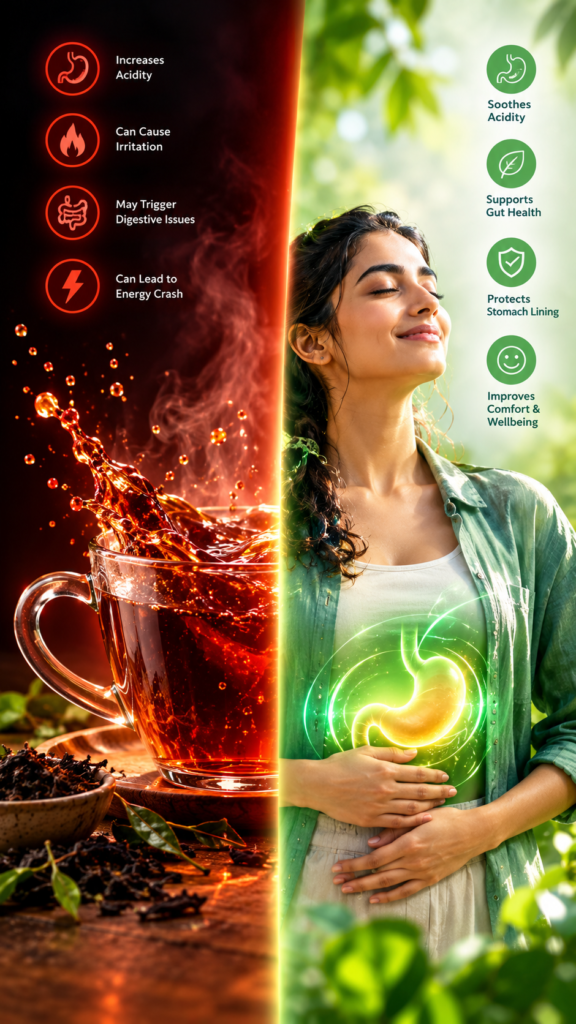
Clinical data and gastroenterological research highlight four major physiological consequences of drinking tea before breakfast:
┌─────────────────────────────────┬───────────────────────────────────────────┐
│ Biological Compound             │ Impact on an Empty Stomach                │
├─────────────────────────────────┼───────────────────────────────────────────┤
│ Tannins & Polyphenols           │ Severe mucosal irritation & nausea        │
├─────────────────────────────────┼───────────────────────────────────────────┤
│ Methylxanthines (Caffeine)      │ Gastric acid hypersecretion & LES reflux  │
├─────────────────────────────────┼───────────────────────────────────────────┤
│ Phytates & Polyphenol Chelators │ Insoluble binding of dietary non-heme iron│
├─────────────────────────────────┼───────────────────────────────────────────┤
│ Systemic Stimulants             │ Cortisol spike & impaired gut motility    │
└─────────────────────────────────┴───────────────────────────────────────────┘
1. Gastric Acid Hypersecretion and Acid Reflux (GERD)
Tea contains methylxanthines (including caffeine and theophylline) that signal the parietal cells in your gastric pits to release large amounts of hydrochloric acid (HCl).
In an empty stomach, there is no protein or dietary fiber to soak up this acid bath. The unbuffered acid washes up against the Lower Esophageal Sphincter (LES), causing chemical irritation, sour belching, and painful acid reflux that can lead to chronic gastritis over time.
2. Tannin-Induced Morning Nausea and Queasiness
Many people experience a sudden wave of dizziness or nausea within minutes of drinking early morning tea.
This reaction occurs because tannins precipitate protective proteins in the stomach mucosa, creating a rapid drying, astringent effect on the gastric tissue. This mechanical irritation triggers the vagus nerve and activates the brain’s chemoreceptor trigger zone, producing that characteristic hollow, nauseous sensation.
3. Exaggerated Cortisol Spikes and Blood Sugar Crashes
Your body naturally orchestrates the Cortisol Awakening Response (CAR), peaking your primary stress hormone within 30 to 45 minutes of opening your eyes to help you wake up.
Consuming caffeinated tea during this biological peak shocks the hypothalamic-pituitary-adrenal (HPA) axis into overproducing cortisol. This unnatural spike accelerates hepatic glucose output, leading to jitteriness, gut cramps, and an early-morning metabolic crash.
4. Poor Absorption of Essential Minerals (Iron Chelation)
According to studies published in the American Journal of Clinical Nutrition, tannins are potent iron chelators.
When you flood your digestive tract with tannins before breakfast, these compounds linger along the microvilli of the duodenum and upper jejunum. If you eat breakfast shortly afterward, the tannins bind tightly to non-heme (plant-based) iron, creating insoluble complexes that your intestinal wall cannot absorb, raising the risk of iron-deficiency anemia.
Common Mistakes People Make With Morning Tea
- Adding Milk to “Protect” the Stomach: While the casein protein in milk binds to some tannins, it does not stop caffeine-driven acid secretion, and dairy can further delay gastric emptying in sensitive individuals.
- Switching to Green Tea Thinking It’s Gentle: Green tea often contains higher concentrations of free, astringent catechins (such as EGCG) than fermented black tea, frequently causing more immediate nausea on an empty stomach.
- Using Sweet Tea to Combat Morning Jitters: Adding refined sugar to morning tea on an empty stomach triggers a rapid glucose surge, intensifying gastric acidity and driving reactive hypoglycemia.
What You Should Do Instead: The Gut-Safe Tea Routine
You do not need to give up your beloved morning brew. You only need to shift when and how you introduce it into your digestive system.
code Code
[ Wake Up ] ────► Step 1: Drink 16 oz Warm Water + Pinch of Mineral Salt
[ +15 Mins ] ───► Step 2: Consume a "Fat/Protein Buffer" (Almonds, Eggs, Yogurt)
[ +45 Mins ] ───► Step 3: Enjoy Freshly Brewed Tea (Buffered & Acid-Safe)
1. The “Hydrate Before You Caffeinate” Rule
Never let tea be the first liquid that touches your gut in the morning. Drink 12 to 16 ounces of plain room-temperature or warm water immediately upon waking to rehydrate your tissues and dilute resting stomach acids.
2. Create a “Nutritional Cushion” First
Consume a small amount of healthy fats, soluble fiber, or protein before taking your first sip of tea.
Ideal Gut-Protective Morning Buffers:
- A handful of raw soaked almonds or walnuts
- One hard-boiled egg
- A spoonful of chia seed pudding or unsweetened Greek yogurt
- Half an avocado on sourdough toast
3. Apply the 45-Minute Post-Waking Window
Allow your natural Cortisol Awakening Response to peak and begin its descent before introducing caffeine. Waiting 45 to 60 minutes after waking provides a smoother, sustained energy lift without the digestive stress.
4. Empty-Stomach Alternatives (If You Must Drink Something Hot)
If you crave a warm, comforting mug immediately after getting out of bed, switch to gut-supportive herbal infusions that contain zero tannins and no caffeine:
- Fresh Ginger Infusion: Accelerates gentle gastric motility and eases overnight bloating.
- Deglycyrrhizinated Licorice (DGL) or Marshmallow Root Tea: Coats and repairs the stomach lining.
- Warm Fennel Seed Water: Relaxes intestinal smooth muscles and prevents morning cramps.
Summary: Fasted Tea vs. Buffered Tea
| Metric | Tea on an Empty Stomach | Tea After a Food Buffer |
| Gastric pH Impact | Drops sharply (Hyper-acidic) | Remains balanced (Food buffers acid) |
| Nausea Risk | Very High (Tannin irritation) | Near Zero (Tannins bind to food) |
| Cortisol Response | Sharp, stress-inducing spike | Stable, balanced natural curve |
| Iron Absorption | Severely inhibited (Up to 70% drop) | Minimally affected |
| Best Timing | Never recommended | 30–45 mins after waking/eating |
Medical Disclaimer
The information provided in this article is for educational and informational purposes only and is not intended as medical advice. Always consult a qualified physician or gastroenterologist before making significant changes to your morning routine, especially if you have been diagnosed with chronic gastritis, peptic ulcers, Gastroesophageal Reflux Disease (GERD), or iron-deficiency anemia.